When winter rolls in, linemen feel the shift long before the first snow hits the ground. Cold snaps, ice buildup, and wind chills don’t just challenge the body – they challenge your tools, gear, and equipment. Preparing for winter isn’t optional; it’s an investment in safety, reliability, and efficiency when the weather is working against you. With the right approach, you step into every storm callout or routine job with confidence, knowing your tools are ready to perform.
Below is a practical, forward-looking winter maintenance guide designed for linemen who want to protect their gear, prevent downtime, and keep working efficiently no matter how harsh the forecast gets.
1. Start With a Full Inspection – Cold Finds Weakness Fast
Winter magnifies every flaw. A hairline crack today becomes a failure point tomorrow, especially once temperatures drop below freezing. Before the season peaks, go through your tools one by one:
- Check fiberglass handles for stress fractures and UV wear. Cold conditions make fiberglass more brittle, so any existing damage becomes riskier.
- Inspect rubber components, including insulated gloves, bucket liners, and grips. Freezing temperatures can stiffen rubber and reduce its elasticity.
- Look for corrosion on metal tools and connections. Salt, moisture, and ice accelerate rust, particularly on pliers, cutters, ratchets, and hydraulic fittings.
- Test moving parts like ratchets, hoists, and hand tools. Cold weather thickens oils and greases, making stiff tools even harder to operate.
A thorough inspection now helps you avoid failures during a storm restoration when reliability matters most.
2. Clean and Lubricate – Your Best Defense Against Freeze-Up
Moisture is your biggest enemy during winter. Any water trapped inside hinges, springs, or gears can freeze and expand, causing internal damage.
Take time to:
- Clean tools thoroughly with a degreaser or mild cleaner to remove grime.
- Dry them completely – even a trace of moisture can freeze overnight.
- Use winter-grade lubricants, which perform better in low temperatures.
- Apply corrosion-resistant coatings to exposed metal to prevent rust from road salt and freezing rain.
Even simple hand tools benefit from a fresh lubrication cycle before winter storms hit.
3. Protect Electrical Testing Gear – Cold Drains Batteries Fast
Meters, testers, and digital equipment respond poorly to extreme cold. Not only do batteries drain faster, but displays can lag, freeze, or malfunction.
To keep testing equipment working reliably:
- Store electronics in insulated pouches or cases when not in use.
- Use high-quality lithium batteries, which hold up better in cold temperatures.
- Warm devices inside your truck cab before using them onsite.
- Keep spare batteries in an inner pocket where your body heat can help them last longer.
Winter is not the season to gamble with failing digital tools when troubleshooting lines or transformers.
4. Care for Hydraulic and Battery-Powered Tools
Hydraulic cutters, crimpers, and battery-operated tools are essential for efficiency – but winter hits them hard.
For hydraulic tools:
- Inspect hoses for stiffness, cracks, or leaks.
- Ensure fittings are tight and free of corrosion.
- Store tools in the cab where temps are stable.
- Use hydraulic fluids rated for cold-weather operation.
For battery-powered tools:
- Keep batteries warm until the moment you need them.
- Charge batteries indoors when possible; cold garages slow charging and reduce lifespan.
- Rotate batteries regularly to prevent cold-soak conditions.
A properly maintained hydraulic cutter in winter isn’t just a convenience – it’s a safety asset when you’re cutting conductor in icy conditions.
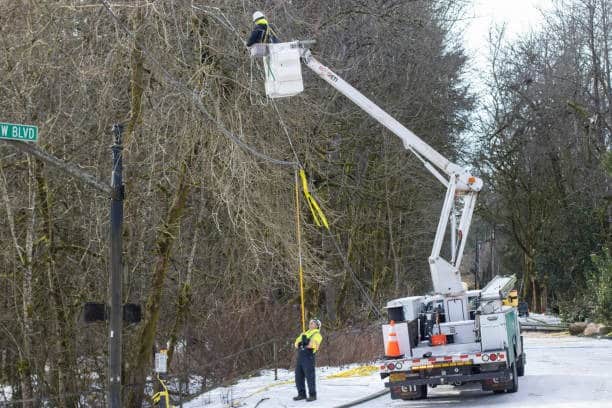
5. Winterize Your Bucket Truck – Your Mobile Office Needs Attention Too
Your truck is an extension of your tool set, and winter puts it to the test:
- Verify tire condition – traction matters when navigating icy rights-of-way.
- Inspect outriggers and pads for cracks or wear.
- Lubricate boom components with low-temperature grease.
A well-maintained bucket truck stabilizes your entire workflow during winter storm responses.
6. Upgrade Storage and Organization for Winter Conditions
A cold, cluttered truck slows you down. Winter is the ideal time to:
- Add foam-lined or insulated tool drawers to protect sensitive gear.
- Use rust-resistant organizers for hardware and connectors.
- Label compartments with weather-proof markers.
- Keep de-icing spray and dry cloths accessible for quick tool cleanup.
An efficient organization prevents digging through icy compartments when every minute counts.
7. Implement a Winter-Ready Daily Routine
Seasonal maintenance isn’t just a one-time task – winter requires ongoing attention. Build a quick daily checklist:
- Wipe tools dry after use.
- Recharge batteries at the end of every shift.
- Inspect insulated gloves more frequently.
- Shake out ropes to prevent ice buildup.
- Store tools inside heated areas whenever possible.
Small habits compound into major reliability gains during the coldest months.
8. Replace Tools That Are Past Their Prime
Winter exposes weaknesses, but it also creates an opportunity to upgrade. If you’ve been putting off replacing dull cutters, stiff ratchets, or worn straps, now is the time. Better-performing tools don’t just improve efficiency – they help reduce risk when you’re working in heavy gloves, icy terrain, and tough wind conditions.
Winter will always test linemen and the equipment they depend on. But with a proactive maintenance approach, your tools remain dependable even in the harshest conditions. Preparing now ensures you’re ready for ice storms, freezing rain, and long nights on call. When your gear is winter-ready, you step into every job with confidence – and that mindset makes all the difference in this trade.