In line work, accuracy isn’t about perfection; it’s about protection. Every measurement a lineman takes plays a direct role in safety, reliability, and job-site efficiency. From verifying clearances to confirming proper hardware fit, precise measurements help reduce risk in an environment where there is very little margin for error.
While measuring tools may not be the most talked-about pieces of equipment on a line truck, they quietly support some of the most critical decisions made in the field. Choosing durable, job-tested tools, like those trusted and supplied by DDIN, to find essential measuring tools for linemen to ensure accuracy stays top of the priority list in real world conditions.
Why Measurement Matters in Line Work
Power distribution systems are built and maintained within strict tolerances. Sag, span length, conductor size, and equipment placement all influence how a line performs and how safe it is to work on. Even small measurement errors can lead to larger compounding issues down the line.
Accurate measuring tools help linemen meet utility standards, engineering specifications, and OSHA requirements, especially when working at height or around energized lines. They also promote consistency across crews, ensuring everyone is working from the same verified data. That consistency reduces rework, speeds up job completion, and limits unnecessary exposure to hazards.
Measuring Tapes: A Lineman’s Everyday Essential
The tape measure is one of the most frequently used tools in a lineman’s arsenal, but utility work demands more than a standard off-the-shelf option. Linemen need heavy-duty measuring tapes that can withstand dirt, moisture, cold, and repeated use in rugged environments.
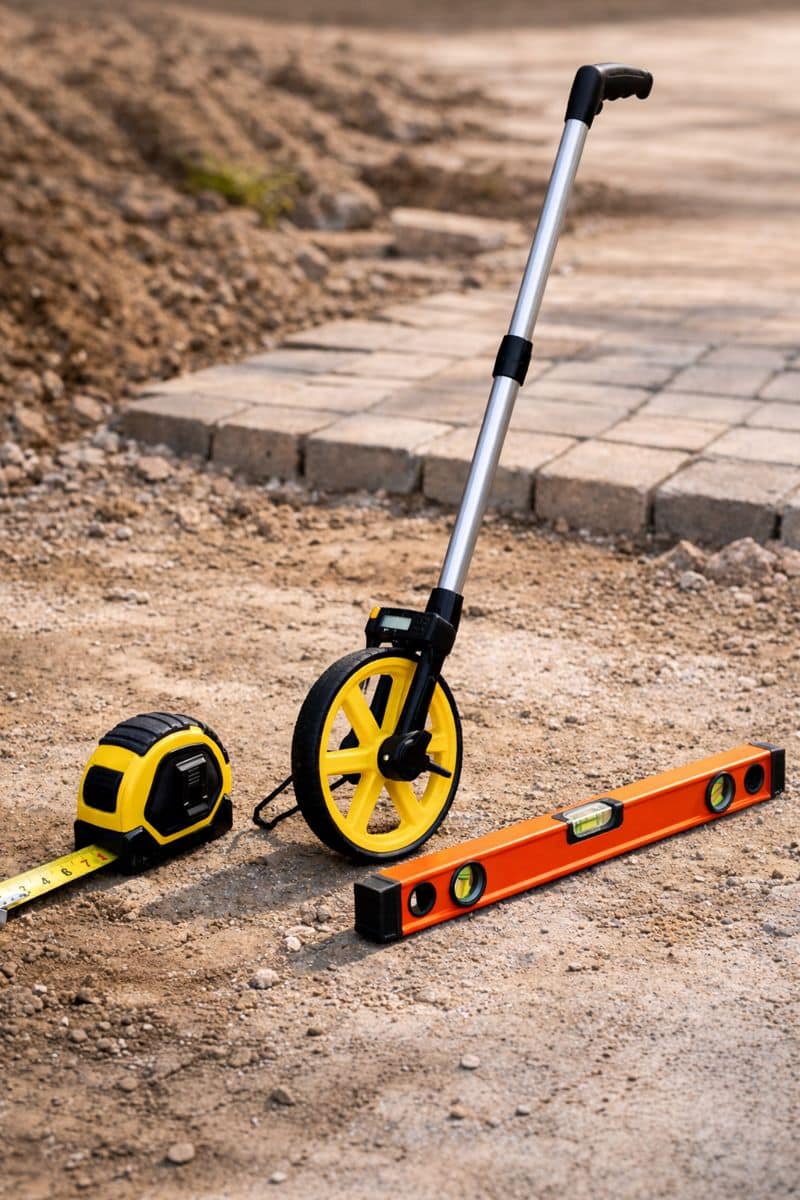
Long tapes, often 100 feet or more, are commonly used to measure spans, pole placement, and equipment spacing. High-contrast markings improve readability in low-light or adverse weather conditions, while reinforced blades and durable housings help the tape stand up to job-site abuse. When measuring distances that impact clearance and safety, durability isn’t a luxury; it’s a requirement.
Measuring Wheels for Ground Distance and Layout
For longer distances or repetitive measurements, measuring wheels are a practical and efficient solution. They allow linemen to quickly measure rights-of-way, road crossings, and pole layouts without repeatedly pulling and resetting tape.
Measuring wheels are especially useful during planning and layout phases, where speed and consistency are critical. By reducing physical strain and improving measurement accuracy, they help crews stay productive while maintaining focus on safety.
Levels for Pole and Equipment Alignment
Levels may seem basic, but they play a critical role in structural accuracy. Ensuring poles are plumb and crossarms are level helps evenly distribute loads and reduces long-term stress on equipment.
Magnetic or ruggedized levels designed for utility work allow linemen to check alignment quickly and efficiently, even when working on steel structures or crossarms. Proper alignment not only improves system reliability but also creates safer climbing and working conditions for crews.
Maintaining Accuracy You Can Trust
Even the best measuring tools require regular inspection and care. Dirt buildup, worn markings, bent blades, or failing batteries can all compromise accuracy. Incorporating tool inspection into daily routines helps ensure measurements remain dependable.
DDIN’s commitment to durable, field-tested utility products supports long-term reliability, but proper storage, cleaning, and replacement of worn tools are still essential. When safety decisions depend on your measurements, trust in your tools is critical.
Precision That Protects
Measuring tools may not draw attention on the job site, but their impact is undeniable. They support safe clearances, proper equipment fit, and structural alignment in systems that carry significant electrical loads every day.
By investing in high-quality measuring tools and utility equipment from trusted suppliers like DDIN, crews reinforce a culture where precision, performance, and protection go hand in hand.