When it comes to safe, efficient anchor pulling and tensioning work in the field, few lineman tools are as practical and reliable as a pulling eye. Designed for strength and ease of use, it’s a simple yet powerful piece of hardware that plays a key role in pole setting, guy tensioning, and other tension-critical operations. In this spotlight, we’re digging into what makes this tool invaluable for linemen and giving you an in-depth look at one of the go-to options on the market.
What Is a Pulling Eye?
In the lineman world, a pulling eye is a rugged attachment point used to tension anchor rods, guide tensioning lines, or provide a secure place to attach rigging hardware. Its name comes from the “eye” – a reinforced loop that allows you to hook in winch cables, come-alongs, or other pulling devices.
Whether you’re installing anchor guys or setting poles in challenging terrain, the pulling eye serves as a reliable tension anchor that helps manage loads safely and efficiently. While designs vary depending on the application and rated loads, they all share a focus on strength, durability, and tool-belt practicality.
Spotlight: Pulling Eye – Accessories For A Lineman
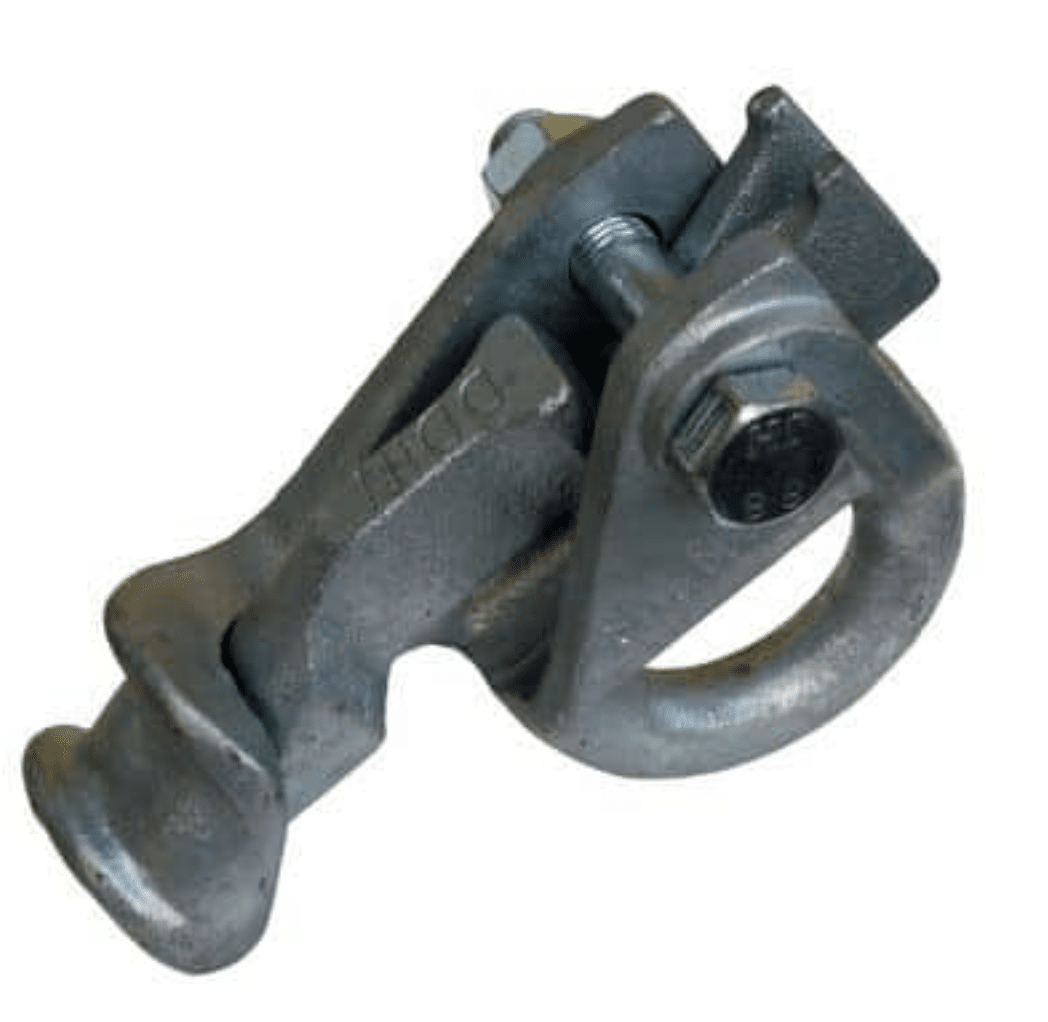
This DDIN pulling eye is a solid example of a well-built, field-ready tool that supports tensioning tasks involving anchor rods and poles. Let’s break down its technical specs and why they matter.
Key Specs
- Adjustable Fit: Designed to adapt from ½″ to 1″ anchor rods – perfect for a variety of guy setups, from standard distribution to more demanding tension points.
- Working Load Limit (WLL): 6,000 lbs, giving you confidence in the most common pull-on-anchor applications.
- Ultimate Strength: 30,000 lbs, reflecting a generous safety margin and robust construction.
- Weight: Approximately 6 lbs, making it portable without compromising strength.
These specifications ensure that, whether you’re setting poles, tensioning guys, or aligning anchors, this pulling eye has the tensile backbone you need, while still being practical to carry in your rig or bucket.
Why This Tool Matters on the Job
When you’re training new linemen or writing about lineman career paths, it’s important to emphasize tools that combine safety, efficiency, and versatility – all areas where a pulling eye excels.
Built for Strength
Linemen deal with heavy loads under tension every day. The pulling eye’s high working load limit and significant ultimate strength provide a dependable anchor point that aligns with standard industry safety factors.
Versatility in the Field
The adjustable range lets crews use one tool across multiple anchor rod sizes without needing a dedicated size for every scenario. This adaptability reduces tool clutter and streamlines workflow.
Fast Setup
A good pulling eye installs quickly at anchor points, letting ground crews secure tension points in seconds. Speed matters, especially when time is critical, and the terrain is less forgiving.
The pulling eye is one of those unsung lineman tools that quietly make challenging jobs safer and more efficient. It’s built around simplicity and strength, which are hallmarks of great lineman gear. A solid pulling eye like the DDIN model above can be a cornerstone in your tensioning toolkit, helping crews, install guys, set poles, and manage loads with confidence and professional precision.
As lineman work continues to evolve with new technologies and standards, tools like this remind us of how thoughtful engineering and durability go hand-in-hand with on-the-ground performance.