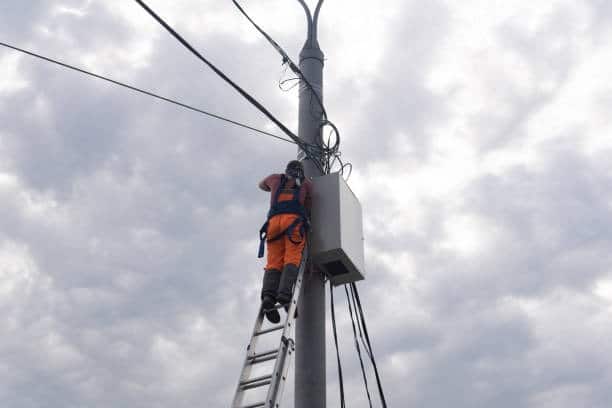
On any energized or de-energized line job, time pressure is real, but so is the risk. A mid-job tool safety check is one of the most effective ways to prevent incidents, especially when conditions change, crews rotate, or tools get cycled through multiple hands.
The key is simple: you don’t stop the job, you build the check into the workflow.
For linemen working with high-voltage systems, this habit is what separates “getting it done” from “getting it done safely.”
Why Mid-Job Tool Checks Matter in Lineman Work
Even if tools were inspected at the start of the shift, conditions change fast in the field:
- Tools get dropped, struck, or overloaded
- Weather introduces new hazards (moisture, wind, ice)
- Multiple crew members handle the same equipment
- Fatigue leads to missed visual defects
- Hardware shifts under load or vibration
A single compromised hot stick, sling, or grip tool can turn a routine lift or pull into a critical failure.
Mid-job checks act as a reset point for safety awareness, especially during long pulls, pole changes, or reconductoring work.
When to Perform a Mid-Job Check (Without Disrupting Flow)
You don’t need to stop constantly. Instead, tie checks to natural breakpoints:
- After a conductor pull is completed
- Before moving to a new structure or pole
- When switching tools or attachments
- After weather changes (rain, wind gusts, lightning proximity)
- When a new crew member takes over a task
- After any dropped or impact event
Think of it as a “pause at milestones,” not a pause in productivity.
The 60-Second Lineman Tool Check Method
This quick scan works in the field without derailing momentum:
1. Visual Sweep (10–15 seconds)
Look for:
- Cracks in fiberglass hot sticks
- Frayed or deformed slings
- Bent hardware, shackles, or links
- Loose fittings or missing pins
No disassembly. No delay. Just eyes on critical failure points.
2. Tactile Check (10–15 seconds)
Gloved hands on key points:
- Grip strength on handles and insulation sections
- Movement in locking mechanisms
- Slack or unusual play in rigging tools
- Sharp edges or deformation
3. Load Awareness Check (15–20 seconds)
Ask:
- Is this tool still rated for the current load?
- Has the angle or tension changed?
- Is anything now side-loaded or misaligned?
Many tool failures in the field don’t result from defects, but rather from changes in load conditions.
4. Connection Verification (10–15 seconds)
Confirm:
- Pins fully seated
- Carabiners and hooks are fully closed
- Slings properly centered
- No accidental cross-loading
A fast “double-check glance” here prevents most rigging-related incidents.
Building It Into Crew Culture (Not Individual Habit)
The most effective crews don’t rely on memory; they build rhythm:
- Lead lineman calls out: “Mid-check”
- Groundman performs a quick visual scan during downtime
- Every tool handoff includes a 2-second look
- Checks happen during repositioning, not active pulling
Over time, this becomes automatic, like checking tension before a lift.
Common Mistakes That Slow Crews Down (And How to Avoid Them)
Ironically, skipping checks slows jobs down more than doing them right:
Mistake 1: Over-inspecting everything
You don’t need a full teardown. Focus on high-risk failure points only.
Mistake 2: Waiting for something to go wrong
Mid-job checks are proactive, not reactive.
Mistake 3: Treating checks as “extra work”
In lineman operations, safety checks are part of the job, not an addition to it.
Why This Matters for Tools Like DDIN Lineman Equipment
High-performance lineman tools are built for load, precision, and durability, but even the best equipment depends on:
- Proper handling
- Consistent inspection
- Correct load application
- Crew discipline in the field
Whether it’s pulling gear, lifting systems, or rigging hardware, DDIN-style tools are designed for demanding environments, but they still rely on human verification during the job, not just before it.
A mid-job tool safety check isn’t about slowing the crew down. It is about keeping the job moving without interruptions caused by failure, injury, or equipment damage.
The best linemen don’t “stop for safety.”
They work safety into the flow of the job.
When that becomes the standard, efficiency and protection stop competing and start working together.