
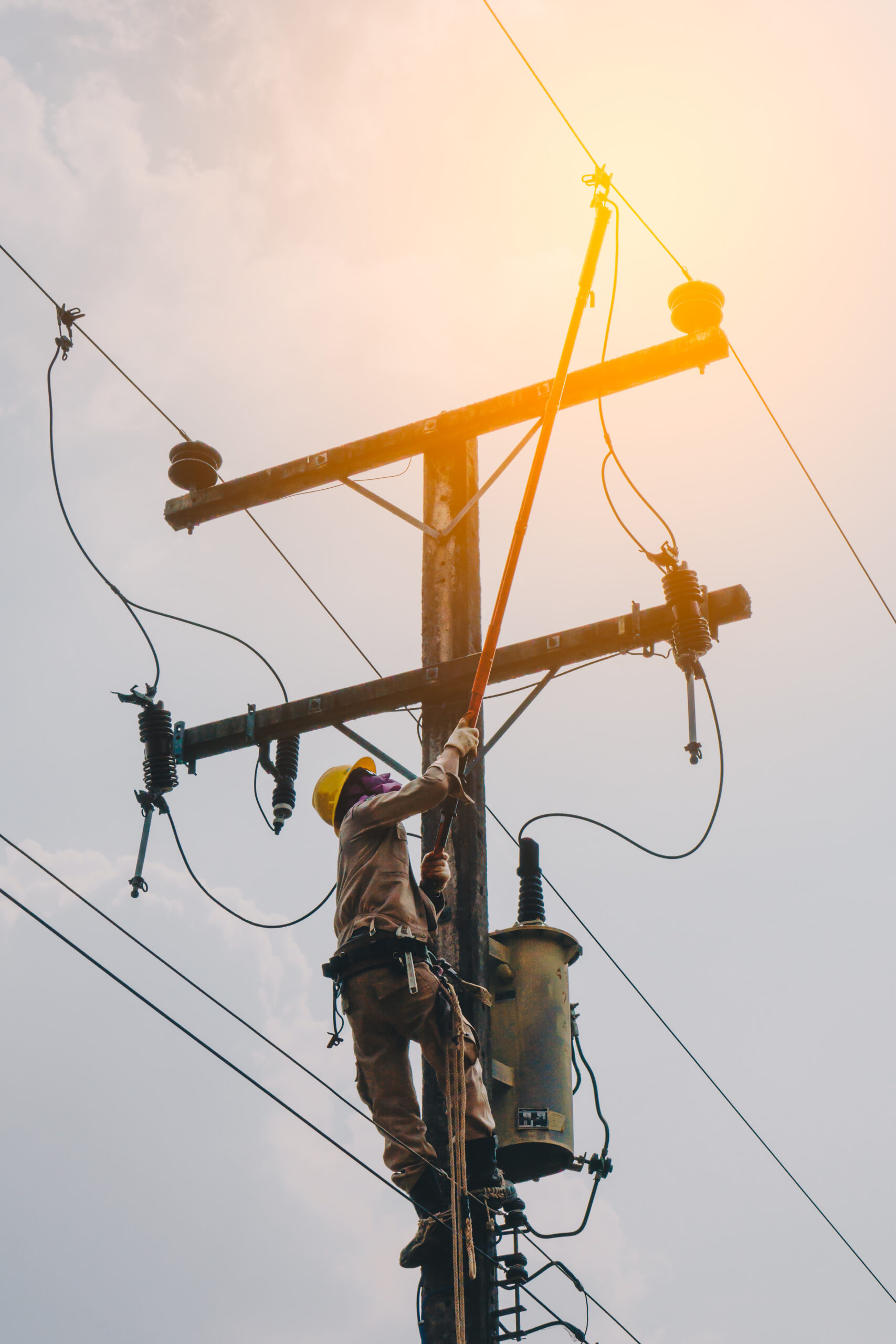
Wise Words to Work By from a Seasoned Lineman

By Rayford “RL” Grubbs

I first got into the electric utility industry in 1965 when I was hired to work as a lineman’s helper. Lineman’s helpers were also called by another name: grunt. At that time, you were not considered a grown adult until you were 21 years of age. I was just 18 in 1965. I could not drink, I could not vote, and I could not be a lineman, but I could be a grunt. So, I grunted for a couple of years and then went into the U.S. Army for a tour. The job the military chose for me was light weapons infantryman, so I was essentially still a grunt.

When I finished my tour of duty, I went back to the power company I had started with; they gave me back my old job. I was finally 21 and able to begin my apprenticeship to become a lineman. I successfully completed that and afterward went on to work as a top lineman, troubleshooter and foreman.

At one point I was offered the job of safety man, so I tried that, too. I soon found out that it beat working for a living, so I have now been a safety man for almost 40 years. During this time, I have used a wide range of phrases to express my views. Some people started calling them RL-isms, and I want to share some of them with you today in hopes that they will make a difference in the safety of your crews and work sites.

1. You do not have the right to expect zero incidents. This statement normally gets some attention, so I generally follow it up with the second RL-ism I want to share, which you’ll find below.

2. You have the right to demand zero incidents. There are laws and regulations that ensure that right. Does your company have an effective stop-work policy?

3. We do not work in unsafe environments, but we do work in hazardous ones. However, we can make any environment unsafe when we do not mitigate our hazards.

4. No one plans to fail. However, we sometimes fail to plan. Have you experienced this? I suspect you may have, either directly or indirectly. The solution is to make sure you always devise a plan for the work, and then work your plan.

5. No one violates a life-threatening rule. You may have witnessed or experienced…
Continue Reading at Incident Prevention

This post was originally published on this website on June 22, 2023
"I first got into the electric utility industry in 1965 when I was hired to work as a lineman’s helper. Lineman’s helpers were also called by another name: grunt. At that time, you were not considered a grown adult until you were 21 years of age. I was just 18 in 1965"

FAQs About Lineman Tools: Expert Answers and Advice

From handline blocks to pre-splice cutters, the right tools can make or break a lineman’s day. This guide answers common questions about DDIN tools, covering their top products, maintenance tips, and what makes them the go-to choice for linemen who demand reliability and safety.

The Ultimate Checklist for Tool Inspections Before Every Shift

A quick tool inspection before every shift can prevent injuries, equipment failures, and costly downtime. This practical checklist helps linemen ensure their climbing gear, insulated tools, and hydraulic equipment are safe and ready for the job.

Preventing Corrosion: How to Protect Your Tools from Moisture and Rust

Lineman tools face constant exposure to rain, humidity, and road salt. Learn how to prevent corrosion, protect your equipment from rust, and extend tool life with practical field-tested strategies.

Tool Spotlight: Steel Wire Baskets

Discover heavy-duty steel wire baskets designed for industrial storage and jobsite organization. Available in multiple stackable and collapsible sizes to fit your workflow.

Tool Spotlight: Pulling Eye – Essential Gear for Power Linemen

A pulling eye is a critical tool for anchor rod pulling and guy tensioning in utility line work. In this tool spotlight, we break down how pulling eyes are used in the field, what to look for in a quality design, and why DDIN’s pulling eye delivers the strength and reliability linemen depend on.

Essential Measuring Tools for Linemen: Accuracy That Keeps You Safe

Accurate measurements are critical in line work. This guide covers essential measuring tools linemen use to maintain safety, meet standards, and work with confidence—featuring professional-grade solutions from DDIN.

Tool Spotlight: Helicopter Blocks – A Lineman’s Game-Changer

DDIN’s helicopter blocks deliver the strength, versatility, and efficiency linemen rely on during demanding stringing operations. With features like the Snap-Lock helicopter arm, rugged aluminum construction, and smooth urethane-lined sheaves, these blocks help crews work safer and faster in any terrain.

Seasonal Maintenance Guide: Preparing Your Tools for Extreme Winter Weather

Winter exposes every weakness in a lineman’s toolkit. This seasonal maintenance guide walks you through how to inspect, protect, and prepare your tools and equipment for extreme cold, ice, and snow—so you can work safely and efficiently all winter long.

Tool Spotlight: Radius Blocks

DDIN’s radius blocks are designed for tough corner structures where standard stringing blocks fall short. Built for strength, rotation flexibility, and long-term reliability, these blocks give linemen smoother conductor travel and safer, more efficient line work.

How to Organize a Lineman Truck for Maximum Efficiency

A lineman’s truck is more than just a vehicle’s a mobile workspace. Learn how to organize your lineman truck for maximum efficiency with practical layout strategies, smart storage solutions, and safety-focused organization tips that keep every tool right where you need it.

