For Linemen Who Depend on Their Gear Every Day
Every climb, every splice, every repair depends on equipment that performs exactly as expected. When you’re working in rain, snow, humidity, salt air, or muddy right-of-ways, corrosion isn’t just an inconvenience. It’s a safety risk.
Moisture and rust can quietly degrade hand tools, climbing hardware, and specialty equipment long before visible damage appears. The good news? With the right prevention strategy, you can dramatically extend the life of your gear while protecting your crew and your productivity.
Why Corrosion Hits Linemen Harder
Lineman tools live in some of the harshest environments in the trades:
- Wet weather and storm response conditions
- High humidity in the southern and coastal regions
- Road salt exposure during winter restoration
- Constant movement between trucks, job sites, and storage areas
- Daily wear from climbing, gripping, cutting, and torqueing
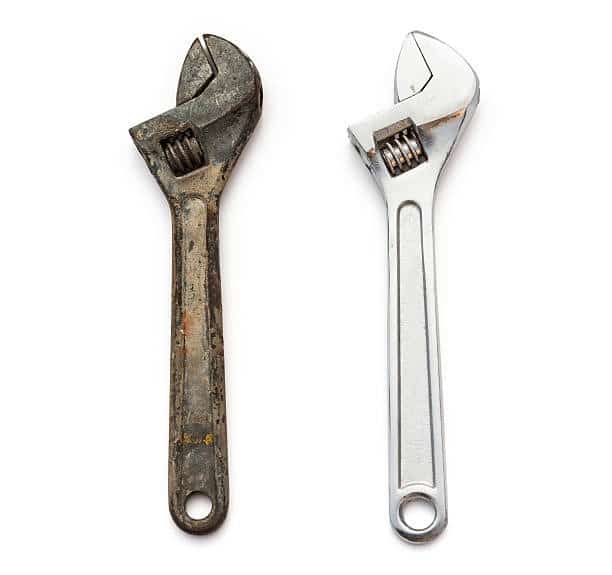
Rust forms when iron or steel reacts with oxygen in the presence of moisture. For linemen, moisture is almost unavoidable. Whether it’s rain, condensation inside a tool bag, or sweat trapped in gloves and pouches, corrosion can begin quickly if tools aren’t protected properly.
This is why smart storage, organization, and protective handling are essential.
Step One: Control Moisture at the Source
The first line of defense is minimizing prolonged exposure to moisture.
Dry Tools Before They Go Back in the Bag
After storm work or damp conditions, wipe down pliers, cutters, wrenches, and climbing hardware before returning them to storage. Even a few minutes of trapped moisture inside a pouch or toolbox can accelerate oxidation.
The top-level tool storage systems are designed to promote organization and accessibility, making it easier to remove, inspect, and dry tools at the end of a shift. When tools aren’t buried in clutter, they’re far less likely to sit wet overnight.
Step Two: Upgrade Your Storage Strategy
For linemen, storage isn’t just about convenience; it’s about protection.
Avoid Moisture Traps
Traditional tool bags and poorly ventilated compartments can trap humidity. Over time, that moisture you left behind becomes the perfect environment for corrosion.
Tool storage solutions are built with durability and field performance in mind. Heavy-duty materials, reinforced compartments, and thoughtful layouts help:
- Keep tools separated to prevent moisture transfer
- Improve airflow when bags are opened
- Reduce unnecessary contact between metal surfaces
- Protect tools from environmental exposure during transport
When tools are stored properly, you’re not just organizing, you’re preventing damage before it starts.
Step Three: Apply Protective Coatings
Even with strong storage practices, protective barriers are essential, especially for linemen working in coastal or winter environments.
A light coating of protective oil on steel tools creates a moisture barrier that slows oxidation. This is particularly important for:
- Bolt cutters
- Crimpers
- Lineman pliers
- Cable cutters
- Adjustable wrenches
- Climbing hardware with exposed metal
Make it part of your regular maintenance routine. One helpful tip used often is that you can create dedicated compartments for maintenance supplies so protective sprays and wipes are always within reach, not buried in the truck.
Step Four: Elevate Tools Off Truck Floors
Metal tools sitting directly on truck floors, especially after rain or snow, are constantly exposed to moisture.
You will never waste time and effort ensuring the following tasks are done:
- Secure tools above floor level
- Prevent contact with pooling water
- Keep gear organized during transport
- Reduce impact damage from shifting loads
Keeping tools secured and elevated doesn’t just protect from rust; it also improves efficiency by reducing search time and protecting calibration-sensitive tools from damage.
Step Five: Inspect Early, Act Fast
Corrosion rarely starts as a catastrophic failure. It begins as light surface oxidation. When caught early, it’s easy to correct.
Create a weekly or bi-weekly inspection routine:
- Check hinge joints for stiffness
- Look for discoloration on cutting edges
- Inspect climbing gear for surface corrosion
- Examine sockets and torque tools for rust in grooves
When every tool has a designated place, missing items are immediately noticeable, and condition checks become part of the workflow, not an afterthought.
The Safety Factor: Why Rust Is More Than Cosmetic
For linemen, corrosion isn’t just about appearance. It directly affects:
- Cutting performance
- Torque accuracy
- Grip strength
- Mechanical reliability
- Overall jobsite safety
A rusted cutting edge can slip. A corroded hinge can bind mid-operation. Compromised hardware can weaken under load. These risks increase in high-stress field conditions.
By investing in durable, purpose-built storage and handling solutions, crews reduce tool degradation and maintain consistent performance under pressure.
Long-Term Cost Savings for Utilities and Contractors
Tool replacement costs add up quickly, especially across multiple crews. Corrosion accelerates wear, shortens lifespan, and increases unplanned equipment purchases.
Implementing corrosion prevention strategies helps:
- Extend tool life
- Reduce replacement frequency
- Improve fleet standardization
- Protect capital investments
- Minimize downtime
Forward-thinking utilities and contractors recognize that smart storage and preventative maintenance aren’t expenses; they’re cost-control strategies.
Build a Corrosion-Resistant Workflow
The most effective protection strategy combines daily habits with the right equipment infrastructure. For linemen, that means:
- Dry tools after exposure
- Use protective coatings regularly
- Keep tools elevated and secured in trucks
- Conduct routine inspections
When corrosion prevention becomes part of operational culture, not just an occasional fix, you safeguard both performance and safety.
Protect What Powers the Grid
Lineman tools face the elements every day. Rain, salt, humidity, and grime are unavoidable, but premature rust doesn’t have to be.
Investing in the right gear isn’t just about organization; it’s about preserving reliability in the field.
Because when the grid depends on you, you should be able to depend on your tools. So don’t let rust steal your efficiency and your safety.