The mention of linework may bring to mind lattice towers and overhead transmission lines, but hidden from view are the miles of the power lines running underneath the American city. Whether these lines are direct buried or running through utility tunnels and vaults, it is the lineman’s job to find his way underground to maintain the grid, but the move below-ground comes with new and elevated hazards.
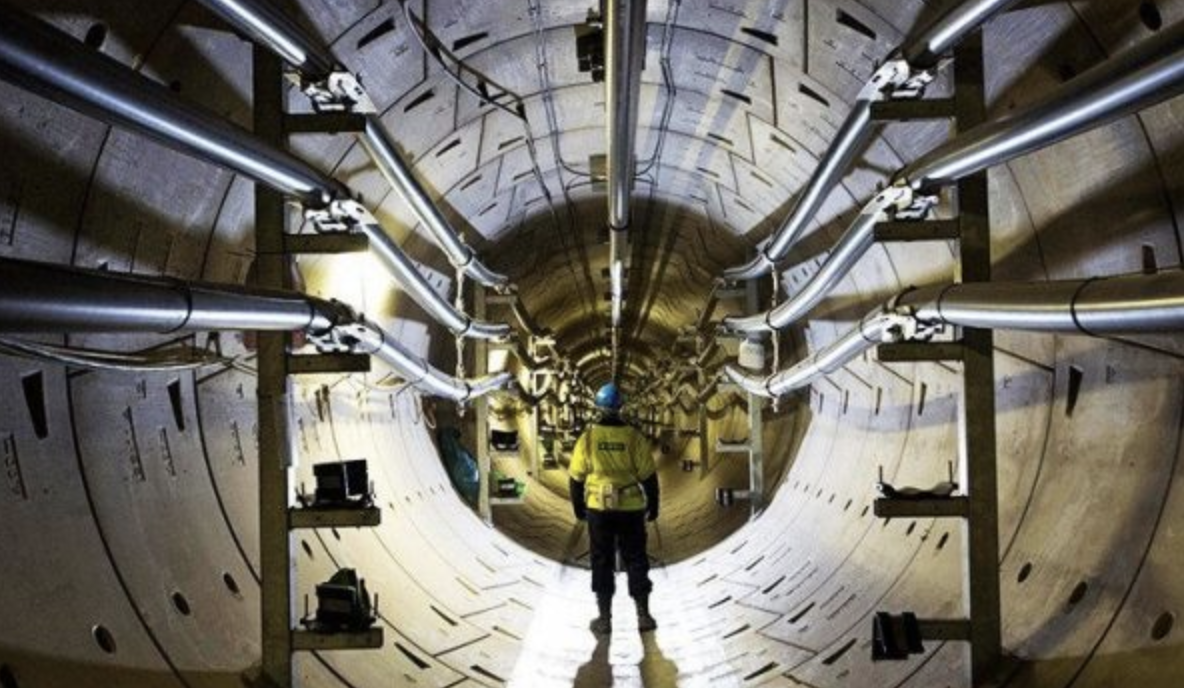
As with their above-ground brethren, underground linemen are responsible for the construction and upkeep of electrical power systems to ensure they continue to function, risk analysis to ensure a system’s safety and efficiency, and condition-based maintenance to maximize system performance. Such work can occur anywhere from 8 to 30 feet below ground and may range from digging trenches for direct-buried cable to work inside of manholes, utility tunnels, and related access ways containing electrical lines and transformers.
SO YOU WANT TO BE AN UNDERGROUND LINEMAN?
It is in these dark trenches, tunnels, and vaults that the challenges really start to ramp up, and the first thing you need to face them is some light. A lineman’s hard hat and hard hat light are of great assistance below ground, offering extra illumination along the way, as well as to anything you are installing or repairing.
In preparing for underground work, you will find yourself introduced to a diverse array of related tools and equipment with which you will need to be familiar and may be required for any given job. While you may not need your climbers or a tower harness, you will need to be well equipped, and whether you are looking for manhole cover lifting hooks, guard rails, duct rodders, jamb skids, cable guides, or confined space rescue straps, you can still count on Tallman to have what you need.
Even when well-equipped, underground work requires great skill and awareness which, as a lineman, you will have been well-prepared for during your training and time spent above ground. You must also be agile, alert, and considerate of your fellow workers. It is important, as experienced linemen will point out, to double-check everything, including maps and wire labeling, which can sometimes be inaccurate.
HAZARDS UNDERGROUND
The risks unique to underground linework make it a selective job, best suited to the experienced and demonstrably able lineman prepared to brave trying obstacles. You may find yourself working on lines inside of a utility vault–an underground space designed for utility access–in which case, precaution is key. Due to the nature of confined spaces, many of the same hazards that are above ground are magnified below ground with new ones thrown in the mix.
Vaults and other confined spaces are susceptible to trapping the gases that would be dispersed above ground but underground can lead to toxic or even explosive situations. This is why one of the first concerns in underground line work is ventilation, and a blower system is vital to ensuring safe, breathable air for you and your team. Tragically, it is all too common for not only the underground workers but also their would-be-rescuers to succumb to toxic atmospheres when the proper setup is not in place.
Adequate ventilation can also help mitigate the risk of the most dramatic of underground hazards: explosion. Such incidents are often a result of built-up gases ignited by a spark, sometimes from damaged wires exposed to water or the presence of other flammables from faulty equipment. A vault explosion can send a manhole cover soaring over sixty feet into the air, and the risk to life and limb is obvious.
There could be any number of reasons for a toxic or explosive underground atmosphere, but proper risk assessment prior to entry is key to the safe and successful completion of the job. This risk assessment should also include examining the potential for the work area itself to collapse or become filled with water, dirt, or debris. Though not as common as atmospheric issues, these threats pose a real risk to those working below grade.
Heightened risks mean the heightened need for communication underground, and tools such as two-way radios can be crucial for staying in contact. Teamwork is vital, and though the hazards never disappear, proper planning and careful execution can get everyone home safely.
IS UNDERGROUND LINEWORK THE PATH FOR YOU?
Despite the enhanced risks, a lineman who is impervious to high stress, possesses a keen eye for detail, and remains vigilant and rigid in adherence to guidelines, may find underground linework quite rewarding. It allows for you to sharpen your skills and discover new strengths, which can make you even more appealing to prospective employers, opening up opportunities for the future.
Underground work is not for everyone, of course, and this fact should always be considered. You should expect physically and psychologically challenging assignments. You should also expect to utilize strengths in both interpersonal communication and personal accountability, as well as display exceptional navigational skills and the ability to follow complex directions in a timely and precise manner.
Underground linework is no easy task, and some may prefer to stay above ground. But for those ready to face a new challenge, working below grade can elevate their careers to even greater heights.