The role of a lineman is often shrouded in mystery, with many only catching glimpses of their work during power outages or storms. However, the daily life of a lineman is a blend of precision, skill, and adaptability. Drawing from firsthand accounts and visual resources, let’s delve into what a typical day entails.
Morning Briefing and Safety Checks
The day begins early, often before sunrise. Linemen gather at the yard for a briefing, where tasks are assigned, and safety protocols are reviewed. Safety is paramount; linemen routinely deal with high-voltage equipment, heavy machinery, and extreme weather conditions. Ensuring each team member is fit for duty and equipped with the necessary personal protective equipment (PPE) is crucial.
Climbing and Lifting: Core Techniques
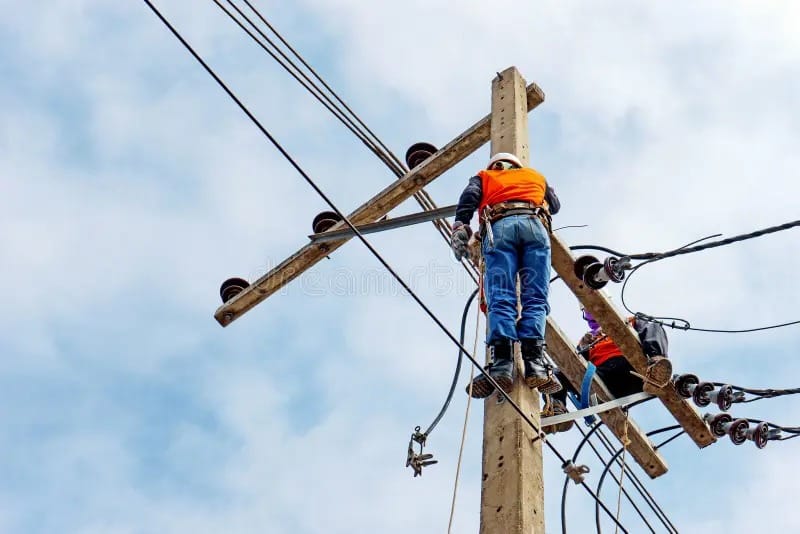
Once at the job site, linemen may use bucket trucks or climb poles using climbing spikes and body belts. Pole climbing is a foundational skill, taught during apprenticeship and honed over years. It demands physical strength, balance, and mental focus. Linemen use climbing hooks—steel spikes strapped to their legs—and secure themselves with a body belt or harness system that wraps around the pole. This technique remains vital in areas where trucks can’t reach.
Toolbox Essentials: Gear That Gets the Job Done
Linemen carry a surprising amount of gear with them every day. Their tool belts often weigh 20 to 30 pounds, and each tool serves a specific, critical function. Essential tools include lineman pliers, skinning knives, wire strippers, socket wrenches, ratchets, and nut drivers. Hotline tools like hot sticks and voltage detectors are used for working on energized lines while maintaining a safe distance. Test equipment such as multimeters and ammeters helps measure voltage, current, and resistance. Grounding equipment ensures lines are safely de-energized during maintenance. Communication tools like radios and rugged tablets are vital for real-time updates and crew coordination.
Adapting to the Elements
Linemen work in every condition nature throws at them. Rain, snow, wind, blazing sun—it doesn’t matter. Power needs to flow, and linemen need to be there to make it happen. This resilience demands a unique mindset. Linemen often refer to their profession as a brotherhood (and increasingly, a sisterhood). They rely on each other, knowing that trust and teamwork are essential to every successful job.
Wrapping Up: Documentation and Reflection
As the day winds down, linemen return to the yard to clean and inspect tools, document completed work, and log any issues for follow-up. Some may remain on-call for emergencies, while others head home to rest and recharge. But the reflection doesn’t end with clocking out. Great linemen take pride in reviewing what went well and where improvements can be made. Whether it’s climbing technique, communication, or tool maintenance, the best crews are always learning.
Final Thoughts
Being a lineman isn’t just a job; it’s a sophisticated career. It demands technical skill, physical endurance, and a deep commitment to safety and teamwork. The tools they use and the techniques they master are honed over years of training and experience. It’s a career for those who want to build, protect, and serve their communities in a direct and powerful way.
At DDIN, we salute the linemen who keep our world connected, rain or shine. Their day might start before dawn and end after dark, but their impact is felt every time we flip a switch and the lights come on.